


Views: 0
BIRD-003 — Hummingbird: The Bird That Can Fly Backward


9
Birds Website
Wildlife & Nature
Article Ready
Content ID: BIRD-003 Scientific family: Trochilidae Article type: Educational wildlife feature Language: English SEO keyword: Hummingbird facts
Publication-ready article
Hummingbird: The Bird That Can Fly Backward
Imagine a bird so small that it weighs less than a coin, yet so extraordinary that it can hover in midair, fly sideways, rise vertically, and even fly backward.
Meet the hummingbird, one of nature’s most remarkable flying creatures.
With shimmering feathers, lightning-fast wings, and an astonishing metabolism, hummingbirds are masterpieces of evolution.
What Makes Hummingbirds Special?
Hummingbirds belong to the bird family Trochilidae, which contains more than 360 species. They occur naturally throughout the Americas, from Alaska to South America, with the greatest diversity in tropical regions.
They are famous for their brilliant, iridescent feathers and extraordinary control in flight.
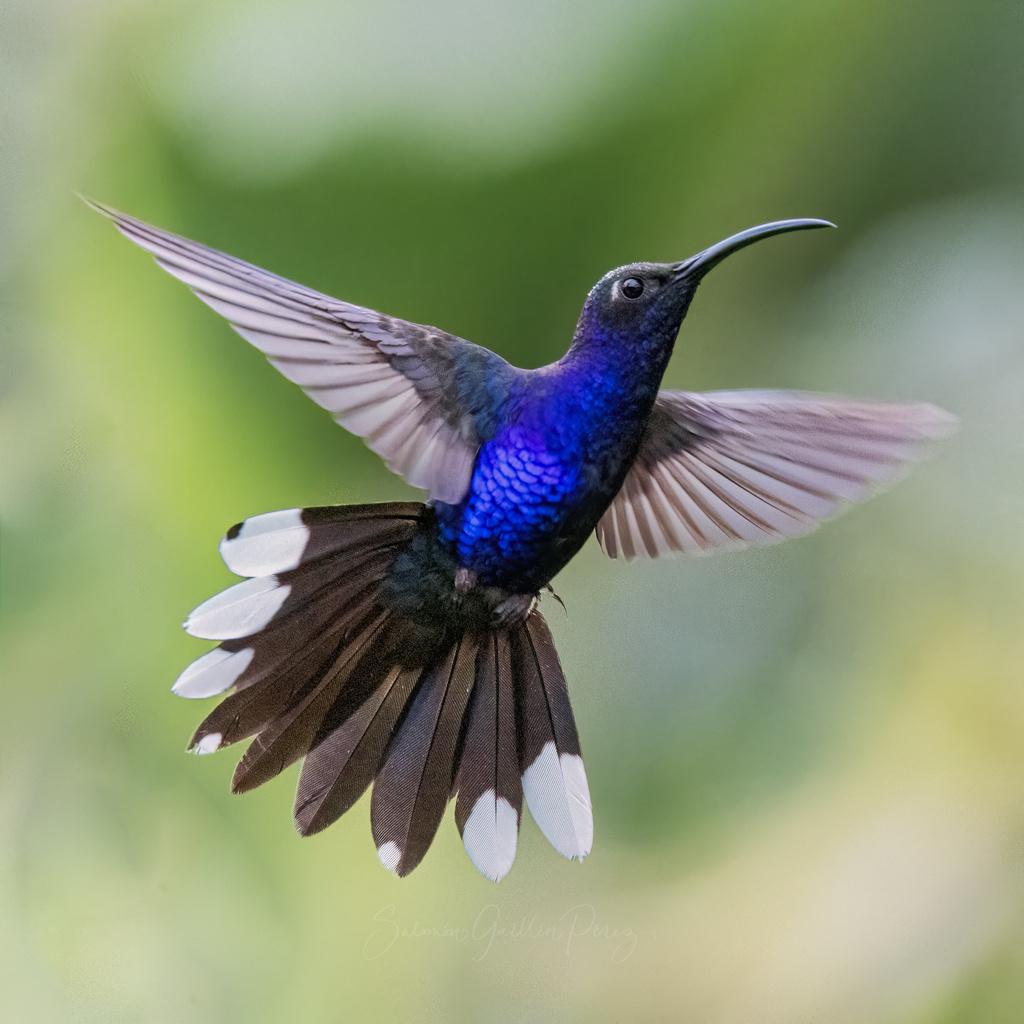
Unlike most birds, hummingbirds can sustain hovering flight without relying on wind. They can also reverse direction while airborne.
How Can a Hummingbird Fly Backward?
The secret lies in its unique wing movement.
While most birds produce much of their lift during the downward wingbeat, hummingbirds rotate their wings to generate lift during both halves of the wingbeat.
Their wing movements trace a figure-eight-like pattern, allowing them to:
- Hover almost motionless in front of a flower.
- Fly backward away from a blossom.
- Move sideways and vertically.
- Change direction incredibly quickly.
- Perform spectacular aerial courtship displays.
Depending on the species and activity, hummingbird wings may beat roughly 20–80 times per second.
The Smallest Birds on Earth
The bee hummingbird (Mellisuga helenae), native to Cuba, is the smallest living bird species.
It measures approximately 5–6 centimeters in length and can weigh around 1.6–2 grams.
Despite its tiny size, it possesses the complex flight capabilities of its larger relatives.
A Heart That Beats Incredibly Fast
Hummingbirds have exceptionally high metabolic demands.
During intense activity, a hummingbird’s heart rate can exceed 1,000 beats per minute.
To maintain their energy, they feed frequently on flower nectar, supplementing their diet with small insects and spiders that provide essential proteins and nutrients.
Why Hummingbirds Love Flowers
Hummingbirds are important pollinators.
Their long bills and specialized tongues allow them to collect nectar from flowers, particularly tubular blooms.
As they feed, pollen can attach to their heads and bills, transferring between flowers and supporting plant reproduction.
This relationship benefits both birds and flowering plants.
How Do Hummingbirds Sleep?
High energy consumption creates a challenge during cold nights or periods when food is unavailable.
Many hummingbirds solve this through a remarkable physiological process called torpor.
During torpor, their metabolism slows significantly, reducing energy consumption. Their body temperature, breathing, and heart rate can fall dramatically.
This helps them survive until feeding conditions improve.
Extraordinary Migration
Despite their size, some hummingbirds undertake remarkable migrations.
The ruby-throated hummingbird (Archilochus colubris) can cross the Gulf of Mexico on a nonstop journey of approximately 800 kilometers.
Such journeys require substantial energy reserves built up before departure.
Are Hummingbirds Endangered?
Conservation status varies between species.
While many hummingbirds remain relatively widespread, others face serious threats from habitat destruction, climate change, pesticide exposure, and declining food availability.
Protecting native flowering plants and natural habitats helps support hummingbird populations.
Final Thoughts
The hummingbird proves that extraordinary abilities are not limited to large animals.
Its combination of tiny size, precise flight control, remarkable stamina, and shimmering beauty makes it one of the most fascinating birds on Earth.
A hummingbird may be small, but its abilities are truly extraordinary.
The flight mechanisms, species diversity, migration and conservation information were checked against Smithsonian, BirdLife International, the U.S. Fish & Wildlife Service and the National Park Service.
National Zoo
+4
Quick facts
| Attribute | Information |
|---|---|
| Common name | Hummingbird |
| Scientific family | Trochilidae |
| Species | More than 360 |
| Distribution | Americas |
| Smallest species | Bee hummingbird |
| Diet | Nectar, small insects, spiders |
| Special ability | Sustained hovering and backward flight |
| Wingbeat frequency | Roughly 20–80 per second, depending on activity |
| Conservation | Varies by species |
Pictures and video resources


Featured imageHummingbird hovering while feeding


Flight mechanicsRapid wing movement and flight control
For video and additional imagery, use Audubon’s hummingbird flight feature or the Cornell Macaulay Library. Check media reuse permissions before publishing.
WordPress SEO package
| Field | Suggested value |
|---|---|
| Post title | Hummingbird: The Bird That Can Fly Backward |
| Slug | hummingbird-bird-that-can-fly-backward |
| Primary keyword | hummingbird facts |
| SEO description | Discover how hummingbirds fly backward, hover in midair, beat their wings at incredible speeds, and survive with remarkable energy. |
| Category | Birds / Wildlife |
| Tags | Hummingbird, Bird Facts, Flying Birds, Pollinators, Nature, Wildlife |
| Image alt text | Hummingbird hovering beside a colorful flower while feeding on nectar |
Publishing status: Content prepared and fact-checked. It has not yet been uploaded to WordPress.
This package can serve as the BIRD-003 source article for your Birds Website Publisher workflow.