


Views: 0
Flamingo: The Science Behind Its Pink Color
BIRDS • WILDLIFE • NATURE & SCIENCE


8
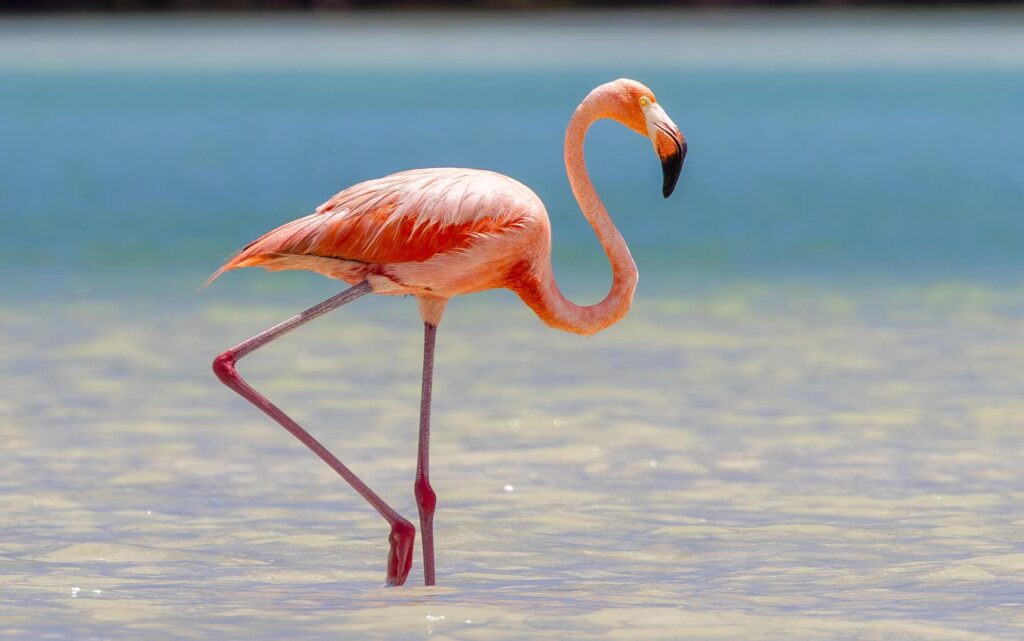
Flamingos are among the most recognizable birds in the world, famous for their elegant necks, long legs, and beautiful pink feathers. But their remarkable color is not something they are born with. It is the result of a fascinating biological process involving food, natural pigments, and metabolism.
The science behind their appearance offers an extraordinary example of how an animal’s diet can influence its physical characteristics.
1. Why Are Flamingos Pink?
The secret lies in natural pigments called carotenoids.
These yellow, orange, and red pigments are found in algae and many plants. They also accumulate in small aquatic animals, including the crustaceans that flamingos consume.
When flamingos digest their food, their bodies absorb and process these pigments. The resulting compounds are deposited in growing feathers and other tissues, giving flamingos their characteristic pink or reddish appearance.
National Zoo
+1
How a flamingo becomes pink


Algae


Crustaceans


Pink feathers
Carotenoid-rich food
Digestion and metabolism
Pigmentation
2. Flamingos Are Not Born Pink


Baby flamingos typically have grayish or white down feathers. As they grow and consume carotenoid-rich foods, their developing plumage gradually changes color.
It can take several years for young flamingos to acquire their full adult coloration.
Their transformation demonstrates how diet and biological development work together.
3. Why Are Some Flamingos Brighter Than Others?
Not every flamingo has the same shade of pink. Some appear almost white, while others are vivid pink, orange, or reddish.


Greater flamingo
Often pale pink, with brighter pink areas on the wings.

American flamingo
Often displays particularly intense pink, coral, or reddish plumage.
These differences can be influenced by species, the availability of dietary pigments, age, feather condition, and overall nutritional status.
San Diego Zoo Animals & Plants
+1
4. How Flamingos Eat
Flamingos are specialized filter feeders. Their distinctive curved bills allow them to collect tiny organisms from shallow water.
They lower their heads, often positioning their bills upside down, and use their tongues to move water through comb-like filtering structures called lamellae. Small food particles are trapped while water is expelled.

Their diet may include algae, brine shrimp, insect larvae, and other small aquatic organisms. This specialized feeding strategy helps them thrive in wetland environments where many other birds struggle.
National Zoo
5. The Role of Pink Color in Finding a Mate
Pink coloration is more than a beautiful visual feature. It can also serve as a signal during courtship.
In some flamingos, brighter coloration is associated with better feeding success and condition, potentially making individuals more attractive to potential mates.
Researchers have also discovered that greater flamingos apply carotenoid-rich oil from their preen glands to their feathers, effectively enhancing their coloration. This natural cosmetic behavior can make their plumage appear redder during breeding periods.
PubMed
6. Can Flamingos Lose Their Pink Color?
Yes. When flamingos lack sufficient carotenoids over time, newly growing feathers may become paler. Existing plumage is gradually replaced during molting.
This is why flamingos in zoological collections require nutritionally balanced diets containing appropriate carotenoids to maintain healthy, natural coloration.
However, a pale flamingo is not automatically unhealthy: different species naturally display different levels of pigmentation.
7. Fascinating Flamingo Facts
- Six living species: Flamingos occur in parts of the Americas, Africa, Europe, and Asia.
- One-legged resting: Their anatomy allows them to stand on one leg with relatively little muscular effort.
- Social lifestyle: Flamingos often gather in large flocks, sometimes numbering thousands of birds.
- Specialized habitats: Many inhabit saline or alkaline lakes and coastal lagoons.
- Powerful flight: Despite their delicate appearance, flamingos are capable of sustained flight.
8. Why Flamingo Conservation Matters


Flamingos depend on healthy wetlands that provide suitable feeding and breeding conditions.
Water extraction, habitat destruction, pollution, and environmental changes can disrupt the delicate ecosystems that support their food sources.
Protecting wetlands therefore helps preserve not only flamingos but also the many other organisms that share these habitats.
Conclusion
The beautiful pink feathers of flamingos are a remarkable example of the relationship between nutrition, chemistry, and biology.
From the microscopic algae that produce carotenoids to the specialized feeding systems that collect them, every stage contributes to the extraordinary appearance of these birds.
A flamingo’s pink color is not simply decoration — it is a visible reflection of the complex relationship between an animal and its environment.
Suggested SEO information
SEO title
Flamingo: Why Are Flamingos Pink? The Science Explained
Meta description
Discover why flamingos are pink, how carotenoids in their diet color their feathers, why chicks are gray, and how coloration influences mating and survival.
URL slug
flamingo-science-behind-pink-color
Keywords
Flamingo, why flamingos are pink, flamingo color, carotenoids, flamingo diet, flamingo facts, pink birds, flamingo feathers, flamingo science.
Scientific references: Smithsonian’s National Zoo · San Diego Zoo · Research on flamingo feather coloration