
Views: 5
Albatross: The Master of Long-Distance Flight


10
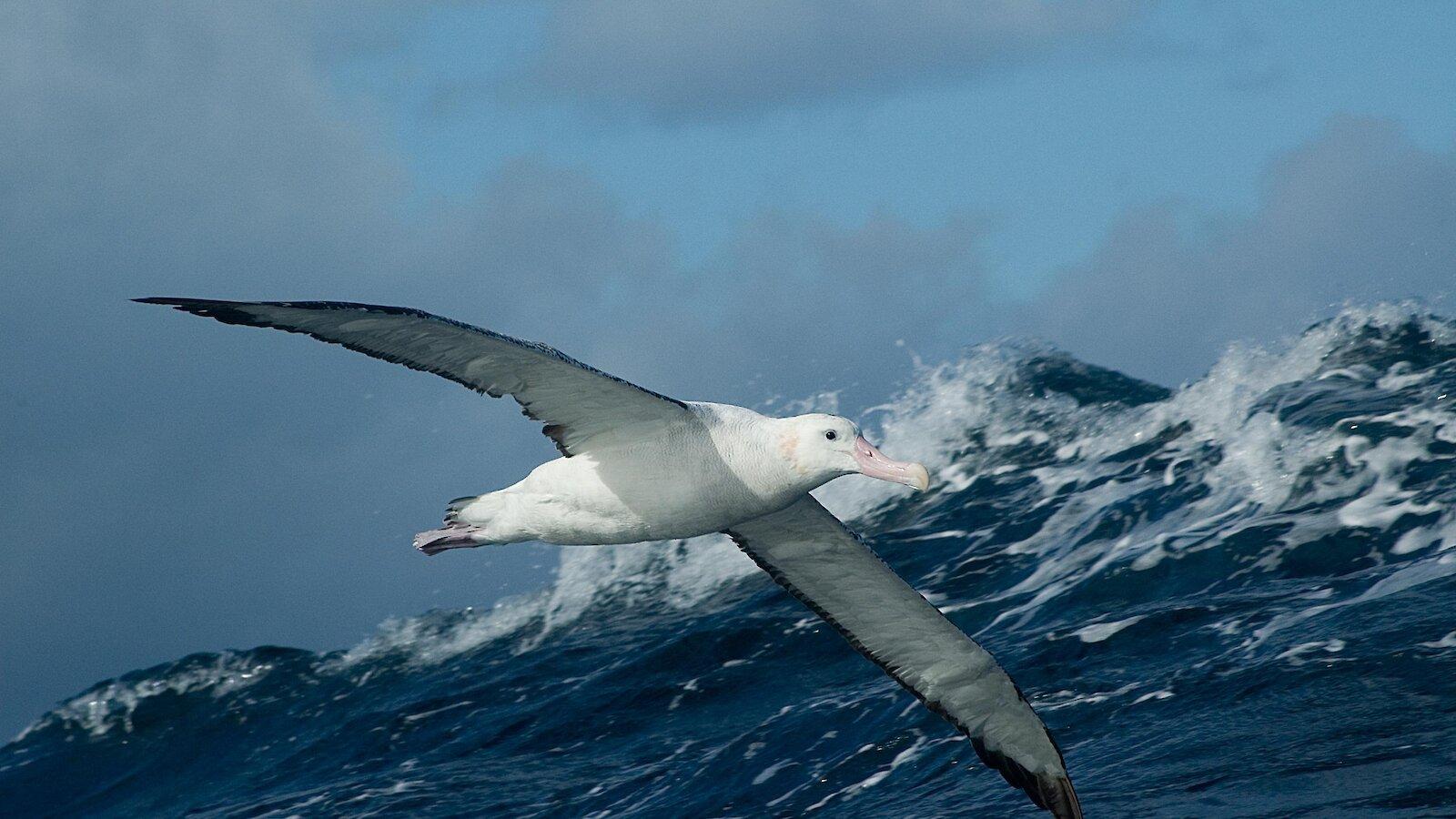
The albatross is one of the most extraordinary seabirds on Earth. Famous for its enormous wingspan, remarkable endurance, and ability to travel thousands of kilometres across open oceans, this bird is a true master of long-distance flight.
Unlike most birds, which depend on constant wingbeats, albatrosses use ocean winds to glide for hours while expending remarkably little energy.
1. The largest wingspan of any living bird
The Wandering Albatross holds the record for the greatest wingspan among living birds.
Maximum wingspan
3.5 m
Approximately 11.5 feet
Typical lifespan
50+ years
Some individuals live longer
Habitat
Open ocean
Especially the Southern Ocean
Main diet
Marine life
Squid, fish and crustaceans
2. How albatrosses fly without constantly flapping

The secret is a technique called dynamic soaring.
Albatrosses exploit differences in wind speed at different heights above the ocean. By repeatedly climbing into faster-moving air, turning, and descending, they can extract energy from the wind.
Their flight involves three important adaptations:
- Long, narrow wings: Reduce aerodynamic drag and make efficient gliding possible.
- Dynamic soaring: Uses wind-speed differences above the sea to sustain flight.
- Wing-locking mechanism: Helps keep their wings extended with minimal muscular effort.
This allows albatrosses to travel vast distances with relatively little energy expenditure.
3. Incredible journeys across the ocean
Albatrosses spend much of their lives at sea, sometimes travelling thousands of kilometres during a single foraging trip.
Some species can cover hundreds of kilometres in a day when wind conditions are favourable. Over their lifetimes, their accumulated travel distances can reach millions of kilometres.
Their exceptional navigation abilities help them return to remote breeding islands after extensive ocean journeys.
4. Love, loyalty and reproduction


9
Albatrosses are also known for their fascinating social behaviour.
Many species form long-lasting pair bonds, sometimes remaining with the same partner for decades. Their elaborate courtship rituals include synchronized movements, bill-clapping, calling and distinctive dances.
Reproduction is slow. Wandering albatrosses generally lay a single egg per breeding attempt, and successful pairs usually breed only once every two years because raising a chick requires so much time and energy.
5. Threats to survival
Despite their exceptional flying abilities, many albatross species face serious conservation challenges.
Their greatest threats include accidental capture on commercial fishing hooks and in fishing gear, ingestion of plastic, invasive predators at nesting colonies, and changing ocean conditions.
Conservation measures such as bird-scaring lines, weighted fishing lines, night setting and the removal of invasive predators from breeding islands can help protect these magnificent seabirds.
6. Fascinating albatross facts
| Feature | Remarkable fact |
|---|---|
| Wingspan | Up to approximately 3.5 metres |
| Flight | Can glide for long periods with minimal flapping |
| Navigation | Returns to isolated islands after long ocean journeys |
| Courtship | Performs elaborate synchronized dances |
| Reproduction | Usually one egg per breeding attempt |
| Longevity | Some individuals survive for more than 60 years |
Conclusion
The albatross represents one of nature’s finest examples of aerodynamic efficiency and adaptation. Its extraordinary wings, ability to harness ocean winds, and remarkable endurance make it one of the world’s greatest long-distance travellers.
The albatross does not simply fight the wind — it uses the wind to travel across the world.
Suggested SEO title: Albatross: Wingspan, Flight Secrets, Migration and Amazing Facts
SEO description: Discover how albatrosses fly thousands of kilometres using ocean winds, their enormous wingspan, remarkable mating behaviour, and conservation challenges.