
Views: 10
Golden Eagle: The Powerful Hunter of the Skies


9
BIRDS-004
Wildlife & Birds of Prey
SEO Article Ready
The Golden Eagle (Aquila chrysaetos) is one of nature’s most impressive aerial predators. With enormous wings, exceptional eyesight, razor-sharp talons, and remarkable hunting skills, this majestic bird dominates vast mountain ranges, open grasslands, and rugged wilderness.
From the Rocky Mountains of North America to the highlands of Eurasia, the Golden Eagle represents power, freedom, and precision. But what makes this extraordinary bird such an effective hunter?
Golden Eagle: Quick Facts
Scientific name
Aquila chrysaetos
Wingspan
Up to around 2.3 m
Weight
Approximately 3–7 kg
Diving speed
Over 240 km/h
Lifespan
Up to around 30 years in the wild
Conservation status
Least Concern (global)
Figures vary by individual, sex, and population.
U.S. Fish & Wildlife Service
+2
1. Built for Power and Flight
The Golden Eagle has a muscular body, broad wings, and a long tail that helps it control its movements in the air. Its dark brown feathers contrast with the golden-colored plumage on the back of its head and neck—the feature that gives the species its name.
Female Golden Eagles are generally larger and heavier than males. Their powerful wings allow them to use thermal currents and rising air along mountain slopes, covering large territories while conserving energy.
2. An Extraordinary Hunting Machine


11
Golden Eagles are visual predators. They can detect small animals from considerable distances and adjust their flight to attack rapidly.
Their hunting techniques include:
- High-altitude hunting: Scanning the landscape while soaring overhead.
- Low-level pursuit: Flying close to the ground to surprise prey.
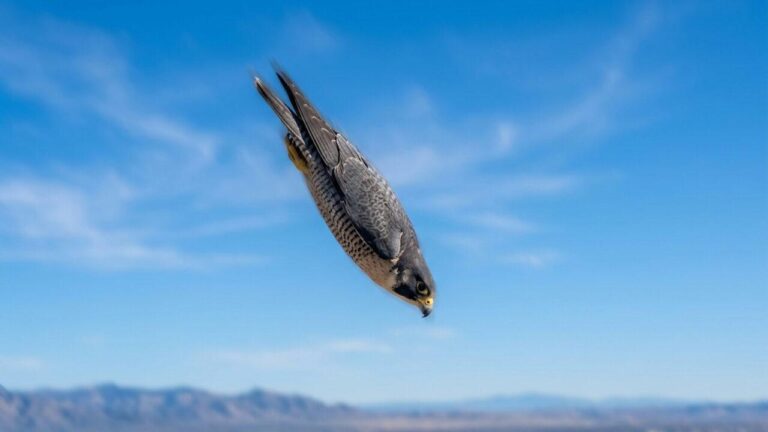
- Rapid dives: Folding their wings to accelerate toward a target.
- Ambush hunting: Watching from elevated rocks or branches before striking.
Their diet mainly consists of rabbits, hares, ground squirrels, marmots, and other small to medium-sized animals. They may also capture birds and reptiles or feed on carrion.
U.S. Fish & Wildlife Service
+1
3. Exceptional Vision and Powerful Talons
A Golden Eagle’s eyesight is among its greatest hunting advantages. Specialized visual adaptations help it locate and follow movement across expansive terrain.
Its talons provide the gripping force needed to capture and hold prey. Unlike birds that primarily catch fish, Golden Eagles are particularly adapted to hunting terrestrial mammals in open environments.
4. Habitat and Distribution


10
Golden Eagles occur across North America, Europe, Asia, and parts of North Africa. Their preferred habitats include mountainous terrain, open grasslands, tundra, rocky deserts, and sparsely wooded areas.
Open landscapes are especially important because they provide good visibility and access to prey. Cliffs and large trees can offer protected locations for nesting.
Animal Diversity Web
+1
5. Family Life and Nesting
Golden Eagles often form long-lasting breeding pairs. Their courtship can include dramatic aerial displays, synchronized flying, and steep dives.
Pairs construct large nests from branches and line them with softer materials. Some nests are reused over multiple breeding seasons, gradually becoming enormous structures.
Females typically lay two eggs, although clutch sizes vary. Incubation lasts approximately 41–45 days, and young eagles remain dependent on their parents for a period after leaving the nest.
U.S. Fish & Wildlife Service
6. Conservation and Challenges
Although the Golden Eagle is classified globally as Least Concern, populations face regional threats from habitat changes, persecution, poisoning, and collisions with infrastructure.
Protecting nesting sites, maintaining healthy prey populations, and reducing avoidable human-caused mortality are important for the species’ long-term future.
The Golden Eagle is more than an impressive predator. It is also part of the natural balance of ecosystems, helping shape interactions among wildlife populations.
7. Why the Golden Eagle Matters
Across different cultures, Golden Eagles have symbolized strength, courage, and independence. Their remarkable combination of aerial agility, hunting precision, and family behavior makes them one of the most fascinating birds to observe.
Watching a Golden Eagle glide across a mountain valley is a reminder of how effectively evolution has shaped a predator for life in the skies.
Photo Gallery and Video Resources
Recommended photo gallery


12
For the published article, use verified photographs with the appropriate licence or permission. Suitable sources include the Macaulay Library Golden Eagle collection and Wikimedia Commons. Images displayed here are visual references, not automatically cleared for republication.
Three recommended video resources:
- Golden Eagle hunting documentaries
- Golden Eagle nesting and chicks
- Golden Eagle flight in slow motion
These are video discovery links; verify the footage and embedding permissions before publication.
SEO and WordPress Publishing Package
| Field | Recommended content |
|---|---|
| Website | birds.bin3aiah.net |
| Post ID | BIRDS-004 |
| SEO title | Golden Eagle: The Powerful Hunter of the Skies |
| Slug | golden-eagle-powerful-hunter-skies |
| Focus keyword | Golden Eagle |
| Secondary keywords | Golden Eagle facts, Aquila chrysaetos, eagle hunting, birds of prey |
| Category | Birds of Prey |
| Tags | Golden Eagle, Eagles, Raptors, Wildlife, Hunting Birds |
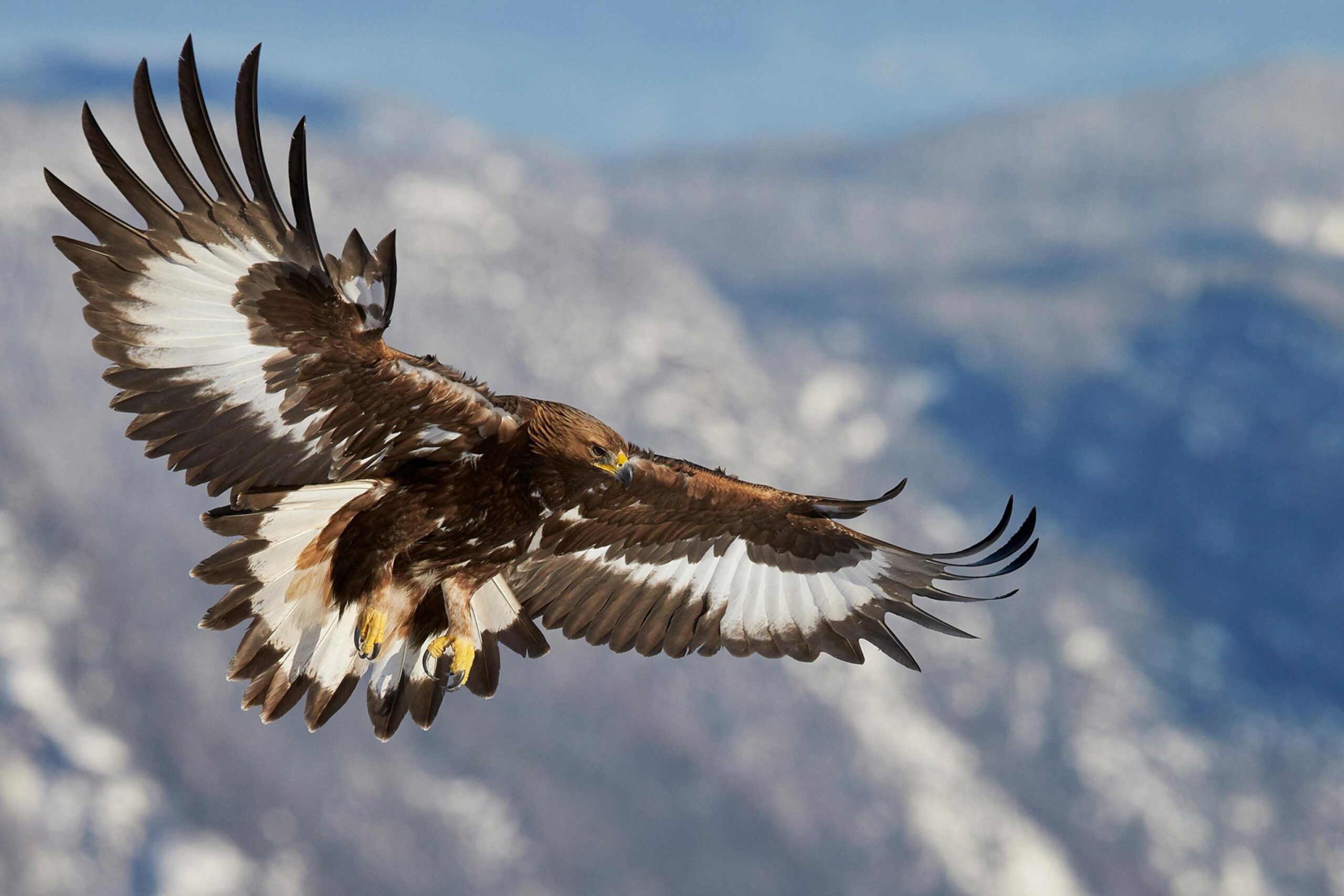
| Featured image | Golden Eagle soaring with wings spread |
Meta description:
Discover the Golden Eagle, its powerful wings, extraordinary hunting skills, habitat, diet, nesting habits, and fascinating wildlife facts.
Suggested featured-image alt text:
Golden Eagle soaring above mountainous wilderness with powerful wings fully extended.
Reference sources
- U.S. Fish & Wildlife Service – Golden Eagle
- Audubon – Golden Eagle Field Guide
- National Geographic – Golden Eagle
- British Trust for Ornithology – Golden Eagle
Status: Article and SEO information prepared for Bin3aiah Birds. The featured image and media rights still need to be finalized, and the post has not been published.