

Views: 4
BIN3AIAH BIRDS • WILDLIFE & BIRDS OF PREY
Barn Owl: The Silent Night Hunter


10
Discover the remarkable world of the barn owl, a ghostly nocturnal predator equipped with extraordinary hearing, specialized feathers, and the ability to catch prey in almost complete darkness.
Meet the Barn Owl
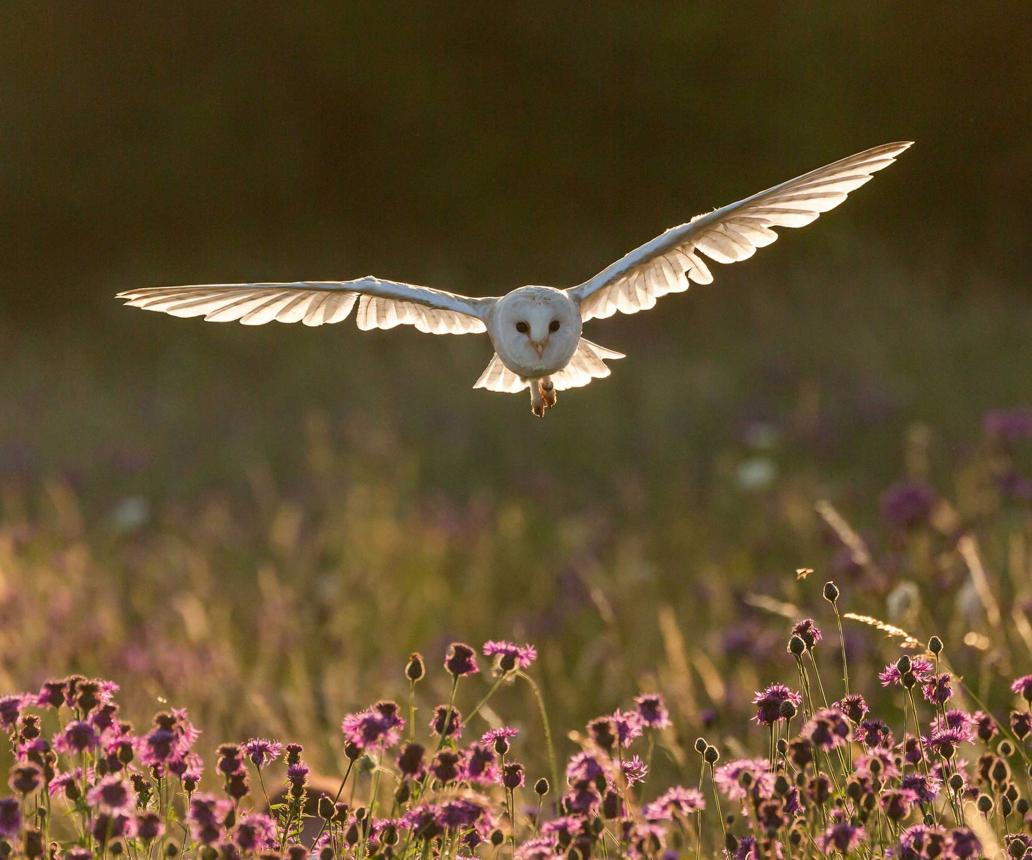
Few birds capture the mystery of the night quite like the Barn Owl. With its pale plumage, unmistakable heart-shaped face, and almost soundless flight, this fascinating bird is one of nature’s most accomplished nighttime hunters.
Often called the ghost owl, it glides across open grasslands, farms, and meadows, searching for tiny movements and sounds that reveal hidden prey.
Unlike many other owls, barn owls do not produce the familiar deep hooting call. Instead, their vocalizations include eerie screeches, hisses, and rasping sounds.
Their combination of stealth, sensitive hearing, and hunting precision makes them especially well adapted to life after sunset.
Natural History Museum
+2
Barn Owl: Quick Facts
| Feature | Details |
|---|---|
| Scientific name | Tyto alba (Western Barn Owl) |
| Family | Tytonidae |
| Length | Approximately 33–39 cm |
| Wingspan | Approximately 80–95 cm |
| Typical weight | Approximately 250–350 g |
| Primary diet | Voles, mice, shrews and other small mammals |
| Activity | Primarily nocturnal |
| Habitat | Farmland, grasslands, open countryside |
| Global conservation | Least Concern for Tyto alba |
Measurements are typical of Western Barn Owls in Britain and vary by sex and region. Modern classifications distinguish Western, Eastern, and American barn owls as separate species.
All About Birds
+1
The Secret Behind Silent Flight

The barn owl’s greatest advantage is its ability to fly with exceptionally little noise.
Three remarkable feather adaptations make this possible:
- Serrated leading edges: Comb-like structures along the wing feathers help manage airflow.
- Soft, velvety surfaces: Fine feather textures absorb and reduce aerodynamic noise.
- Fringed feather edges: Flexible fringes help reduce sound as air passes around the wings.
This silent movement helps the owl approach prey without being detected. Just as importantly, it allows the bird to hear the tiny sounds of rodents moving through grass without its own wingbeats drowning them out.
Extraordinary Hearing: Hunting Without Sight
The barn owl’s heart-shaped facial disc is more than a beautiful feature. Its specialized feathers channel sound toward the ears.
The ears themselves are asymmetrically positioned, allowing the bird to compare differences in sound arrival and precisely locate prey.
Researchers have demonstrated that barn owls can locate prey by hearing alone, even when the prey cannot be seen.
This makes them exceptionally effective predators in darkness and dense grass.
BTO
+1
What Does a Barn Owl Eat?
Barn owls primarily hunt small mammals, particularly voles, mice, and shrews.
A typical hunting sequence involves flying slowly over open ground, listening for movement, identifying a target, and descending with talons extended.
After swallowing prey, the owl regurgitates indigestible material such as fur and bones in compact pellets. Scientists can analyze these pellets to discover what barn owls have been eating.
A barn owl may consume around three or four small prey animals in a night, depending on their size and availability.
The Barn Owl Trust
Habitat and Distribution


11
Barn owls prefer open landscapes where small mammals are abundant. They can be found in grasslands, agricultural fields, marshes, and countryside habitats.
They often shelter or nest in cavities in trees, old farm buildings, and specially designed nest boxes.
Barn owls occur across many regions of the world, although modern taxonomy recognizes several closely related species rather than treating every population as one species.
Breeding and Raising Young
Barn owls frequently use sheltered cavities for nesting. Rather than constructing elaborate nests from twigs, they may lay eggs on accumulated pellets and nesting debris.
The female generally incubates the eggs while the male supplies food. After hatching, both parents contribute to feeding the young.
The number of eggs and the likelihood of breeding success depend significantly on local food availability and environmental conditions.

Conservation: Protecting the Night Hunter
Although Western Barn Owls are not considered globally threatened, local populations face several serious challenges, including habitat loss, declining prey populations, road collisions, and exposure to rodenticides.
Protecting rough grasslands, maintaining suitable nesting places, and reducing harmful rodent-control chemicals can help support healthy barn owl populations.
The Owls Trust
+1
Fascinating Barn Owl Facts
- Barn owls can locate moving prey using sound even in complete darkness.
- Their distinctive facial disc works like an acoustic collector.
- They do not make the typical hooting calls associated with many owls.
- They can sometimes hunt during daylight, especially when food requirements are high.
- Their regurgitated pellets provide valuable information about local small-mammal populations.
Watch the Barn Owl in Action

Experiment! How Does an Owl Fly So Silently?
BBC Earth — an experiment comparing the sounds of different birds in flight.

The Unbelievable Flight of a Barn Owl
BBC Earth — a closer look at the owl’s extraordinary flying abilities.

Wildlife footage linked by the IUCN UK Peatland Programme.
Conclusion
The barn owl is an extraordinary example of adaptation. Every feature, from its soft feathers to its specialized facial disc, contributes to a remarkable hunting system.
Its ability to detect, approach, and capture prey in darkness highlights the delicate balance between predator and ecosystem.
Protecting this silent nighttime hunter also means preserving the open habitats and biodiversity on which it depends.
WordPress SEO Package
BIN3AIAH BIRDS — PUBLISHING DETAILS
SEO title
Barn Owl: The Silent Night Hunter | Facts & Adaptations
URL slug
barn-owl-silent-night-hunter
Meta description
Discover how barn owls hunt silently at night using extraordinary hearing, specialized wings, and amazing adaptations. Explore their habitat and diet.
Focus keyword
barn owl
Secondary keywords
barn owl facts, silent owl flight, barn owl hunting, barn owl habitat, nocturnal birds of prey
Categories
Birds of Prey · Owls · Wildlife
Suggested featured image alt text
Barn owl flying silently over a meadow while hunting at dusk.
Publisher media checklist: The article includes photographic references and three verified video links. For the final website gallery, source at least ten correctly identified barn owl photographs with confirmed reuse permissions and photographer credits. The displayed image references are not automatically licensed for republication.
Status: Article draft prepared with research references and SEO metadata. It has not been published to birds.bin3aiah.net.


